Bringing Tinsel to Life: A Handmade Maker's Guide to This Playful Typeface
I remember the exact moment I knew Tinsel was the missing piece for my shop. It wasn't in a boardroom or a high-end design studio; it was late on a Tuesday night, surrounded by half-cut vinyl and a cup of cold coffee, trying to finalize the labels for my new line of soy candles. I had been scrolling through endless font libraries, looking for something that felt authentic but not messy. My previous designs were too stiff, lacking the warmth that handmade goods need to convey. Then I found this script amp style. As soon as I typed "Handmade with Love" onto a mockup label, the vibe shifted instantly. The letters danced with a natural rhythm, capturing that perfect blend of playfulness and authenticity that defines my brand.
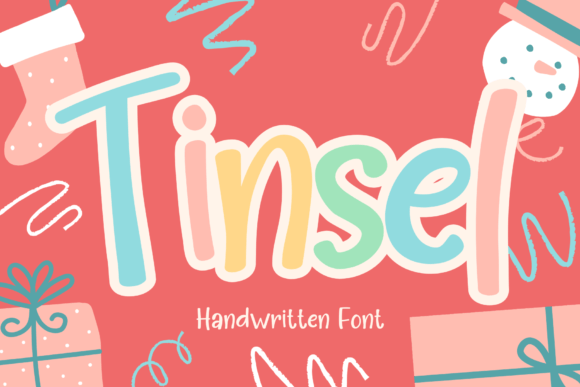
Tinsel is more than just a collection of characters; it is a handwritten font designed to bring personality to your projects. When you look at the strokes, you can see the pressure of the pen, the slight variations in thickness, and the charming imperfections that make digital type feel human. For any crafter, blogger, or small business owner, this typeface offers a way to elevate product presentation without sacrificing readability. Whether you are designing wedding invitations, creating printable wall art, or making stickers for a boutique, Tinsel provides a creative foundation that feels both modern and nostalgic.
From Digital File to Physical Product
The real magic of using Tinsel happens when you take it out of the design software and apply it to physical materials. I recently used this font to create tags for a set of holiday ornaments. The challenge was ensuring the text remained legible even when printed on small, textured cardstock. Because Tinsel has distinct letterforms and open counters, it cuts beautifully on a Cricut or Silhouette machine. The curves don't get lost in the fine details, which is crucial for intricate sticker sheets or mini product labels.
Beyond cutting machines, this script font shines on merchandise like mugs, tote bags, and shirts. Imagine a simple white tote bag featuring the word "Baker" or "Hostess" in the flowing, whimsical style of Tinsel. It transforms a basic item into a statement piece. The font's playful nature makes it ideal for branding items that want to feel approachable and fun. It works equally well for seasonal products, such as Christmas gift tags or Valentine's Day cards, where a touch of festivity is needed without being overwhelming.
When designing packaging, consistency is key to building customer recognition. Using Tinsel across your entire line—from the main logo to the inner tissue paper and the thank-you notes—creates a cohesive brand identity. It signals to the buyer that attention to detail matters. In the world of commercial fonts, having a typeface that supports both display use and shorter phrases allows you to maintain visual harmony throughout your product ecosystem.
Perfect Pairings for Balanced Designs
While Tinsel is a star performer on its own, pairing it correctly can take your designs to the next level. Since it is a handwritten script, it pairs exceptionally well with clean sans serif fonts for body text or secondary information. For example, if you are creating a wedding invitation suite, you might use Tinsel for the names and the main event title, then switch to a simple, geometric sans serif for the date, time, and location. This contrast ensures that while the headline grabs attention with its charm, the essential details remain easy to read.
If you prefer a more traditional look, a classic serif font can complement the organic feel of Tinsel. This combination often works wonders for editorial design, book covers, or sophisticated greeting cards. The sturdy structure of a serif balances the fluidity of the script, creating a layout that feels grounded yet elegant. For those working on bold display posters or social media graphics, pairing Tinsel with a heavy display font can create a dynamic visual hierarchy that stops the scroll.
It is important to note that Tinsel is best suited for short phrases, names, titles, and decorative wording. While the character is engaging, using it for long paragraphs of text can become difficult to read due to the stylistic flourishes. Think of it as a display font meant to highlight specific elements rather than carry the weight of an entire document. This limitation actually helps you focus your design energy on the most impactful parts of your project, whether that is a blog post header, a logo, or a custom sign.
Practical Tips for Makers and Sellers
Before you start printing, always check the included styles, alternates, ligatures, and swashes that come with the font file. These features are what give a script font its versatility. You might find a special "ampersand" or a unique "t" that adds extra flair to your designs. Exploring these options allows you to customize your text so it doesn't look generic. Additionally, verify the file formats and multilingual support if you plan to sell internationally or create content for diverse audiences.
For those selling digital downloads or templates, consider how the font will appear in previews. A mockup showing Tinsel on a realistic background, like a wooden table or a fabric texture, helps customers visualize the end result. However, ensure that the resolution is high enough so the fine lines of the script remain crisp when zoomed in. Readability is paramount, especially for smaller applications like product labels or tiny stickers. If the text becomes too thin or crowded, the effect may be lost.
Commercial licensing is another critical step for creators selling physical products. Make sure your license allows for merchandise production, such as printing on shirts, mugs, or packaging. Most premium fonts come with clear guidelines on how they can be used in commercial projects, including print-on-demand services and digital marketplaces. Understanding these terms protects your business and ensures you can confidently use Tinsel to grow your shop.
Ultimately, choosing the right typography is about telling a story. Tinsel tells a story of joy, creativity, and personal touch. It invites the viewer to slow down and appreciate the craft behind the work. Whether you are crafting a planner page, designing a festive banner, or updating your logo, this font offers the flexibility to adapt to your vision while maintaining a consistent, high-quality aesthetic. By integrating Tinsel into your workflow, you are not just adding text; you are infusing your creations with a spirit that resonates with anyone who loves handmade things.
As you continue to build your portfolio of design assets, keep experimenting with how this typeface interacts with different textures and colors. Try it on matte paper, glossy vinyl, or even embroidered fabric. The possibilities are vast, and the results speak for themselves. With its ability to embody playfulness and authenticity, Tinsel is ready to become an essential part of your creative toolkit, helping you turn simple ideas into memorable, tangible products.